
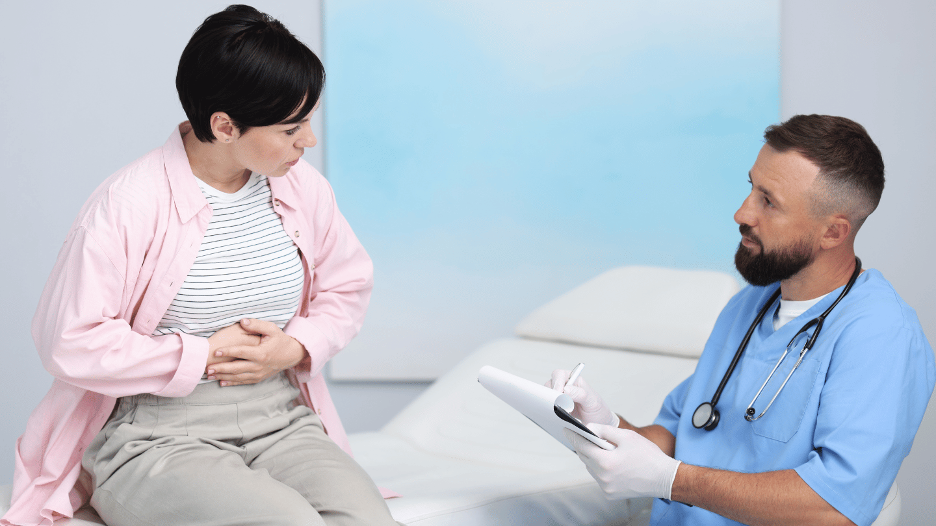
You're hungry, but after just a few bites, your stomach feels painfully full. You feel nauseous, bloated, and uncomfortable. Food sits in your stomach far longer than it should. If you have gastroparesis, also called delayed gastric emptying, you know how challenging it is to eat normally.
Gastroparesis is rare but serious, affecting approximately 1 in every 4,100 to 4,600 adults in the United States. It occurs when your stomach muscles weaken, causing food to move into your small intestine more slowly than it should.
While medication exists, dietary changes are the first and often most effective gastroparesis treatment option. Learning what to eat and what to avoid is essential for managing this condition long-term.
At Summit Health, gastroenterologists help patients with gastroparesis develop eating strategies that work with their bodies. With the right approach, you can eat confidently again.
What Is a Gastroparesis Diet and Why Food Choices Matter
Your stomach relies on muscle contractions to push food through your digestive tract. With gastroparesis, these muscles don't work properly, so food lingers. This is where diet becomes treatment.
A gastroparesis diet focuses on foods your stomach can process quickly and easily, reducing the time food spends in your stomach.
The goal isn't restriction for restriction's sake. It's more about symptom management and proper nutrition.
By eating the right foods and changing how you eat, you can:
- Reduce bloating, nausea, and stomach pain
- Prevent weight loss and malnutrition
- Maintain stable energy levels throughout the day
- Regain the ability to socialize and enjoy meals without fear
It's important to note that gastroparesis affects everyone differently. What triggers symptoms for one person might be fine for another. Working with a registered dietitian at Summit Health can help you personalize your approach.
Best Foods for Gastroparesis: What to Eat for Better Digestion
When your stomach is struggling, simple is better. Focus on foods that are easy to digest, low in fat, and gentle on your system.
Good food choices for gastroparesis include:
- Lean proteins: Ground chicken, turkey, tender fish, and eggs. Smooth peanut butter in small amounts also works
- Refined grains: White rice, white pasta, white bread. Look for less than 2 grams of fiber per serving
- Soft fruits: Bananas, melons, peaches, and canned fruits (in juice, not syrup) are gentler than raw, fibrous fruits
- Well-cooked vegetables: Carrots, peas, and canned vegetables are better tolerated than raw (avoid raw and high-fiber ones like broccoli)
- Low-fat dairy: Skim milk, yogurt, cottage cheese, and pudding provide nutrition without excess fat. Lactose-free options work if you're sensitive
- Broth-based soups: Fat-free broths with soft pasta or rice are easier to digest than cream-based soups
- Beverages: Water, tea, low-sodium broth, diluted fruit juice (no carbonation)
Eating strategies matter as much as food choices:
- Eat smaller meals more often: Instead of three large meals, eat 4-6 smaller meals throughout the day.
- Chew thoroughly: Break food down as much as possible before swallowing. Blended or pureed foods may be easier during flare-ups
- Avoid drinking large amounts with meals: Drink small sips during meals, then drink more between meals
- Stay hydrated: Dehydration worsens nausea, so aim for consistent water intake for hydration even when you don't feel hungry
- Sit upright or walk after eating: Gravity helps food move through your digestive system more efficiently
Foods to Avoid With Gastroparesis
Certain foods will work against your stomach and trigger symptoms. Knowing what to eliminate makes the difference between feeling better and staying stuck in a painful cycle.
Avoid these food categories:
- High-fat foods: Fried foods, pizza, fatty meats, whole milk, full-fat cheese, butter, cream, and high-fat desserts. Fat is the slowest nutrient to digest and directly delays stomach emptying
- High-fiber foods: Whole grains, bran, beans, raw vegetables, nuts, seeds, berries, apples, oranges, and vegetables like kale and artichokes. Fiber can form blockages and slow digestion
- Raw fruits and vegetables: These are harder to digest than cooked or canned versions. Cook vegetables until soft and choose soft, ripe fruits
- Carbonated beverages: Soda, sparkling water, and beer irritate your stomach and worsen bloating
- Alcohol: Slows stomach emptying and can increase nausea
- Spicy and acidic foods: Citrus fruits, tomato-based sauces, and spicy dishes irritate your stomach lining and worsen symptoms
- Dense, compact foods: Bagels, dumplings, thick pizza crust, and gnocchi are too heavy for your stomach to process
Keep a food diary to identify your personal triggers. What bothers one person might be fine for another, and gastroparesis symptoms can change day to day.
Creating Your Gastroparesis Meal Plan
Managing gastroparesis is about consistency and personalization. Your eating strategy should shift based on how you're feeling.
During Flare-ups (Moderate To Severe Gastroparesis Symptoms)
Start with a liquid diet: Clear broths, well-cooked pasta in broth, smoothies made with low-fat ingredients, and diluted juices are your baseline. Your body tolerates liquids even when solids cause problems.
Stay with liquids until symptoms improve before advancing to solid foods.
As Gastroparesis Symptoms Improve
Gradually reintroduce soft, well-cooked foods in small portions and monitor how you feel. Only advance to new foods when your current foods cause no problems.
This staged approach prevents setbacks and helps you identify which foods your stomach can handle.
On Better Days
Even when feeling good, stick to low-fat, low-fiber foods. Avoid the temptation to "catch up" with foods you miss. Gastroparesis management changes day to day, and what's manageable today might trigger symptoms tomorrow.
Sample Gastroparesis Meal Plan
- Breakfast: Cream of Wheat with low-fat milk and banana slices
- Snack: White crackers with 2 tablespoons of smooth peanut butter
- Lunch: Ground chicken with white rice and well-cooked carrots
- Snack: Low-fat yogurt with canned peaches
- Dinner: Ground turkey with white pasta in fat-free broth
- Evening snack: Banana or applesauce
Portion sizes matter. Eat only as much as you can comfortably hold, usually smaller than a normal meal. If you feel full quickly, that's normal. Eating smaller amounts more frequently keeps you nourished without overloading your stomach.
When Gastroparesis Symptoms Persist: Know When to Seek Help
Contact Summit Health if you experience any of the following:
- Persistent nausea or vomiting that doesn't improve with diet changes
- Unintentional weight loss despite eating regularly
- Severe abdominal pain or bloating that limits your daily activities
- Inability to keep down even small amounts of food or liquid
- Signs of dehydration (dizziness, dark urine, extreme thirst)
Go to the emergency room immediately if you have:
- Severe, unrelenting vomiting
- Signs of a bezoar (stomach blockage), like severe pain, persistent vomiting, or inability to eat
- Severe dehydration or signs of electrolyte imbalance
- Abdominal distention with inability to pass gas or have bowel movements
How Long Does It Take To Feel Better On A Gastroparesis Diet?
Many people can feel improvement within days to weeks of starting dietary changes. But remember that gastroparesis is a chronic condition, and symptoms fluctuate.
Some days will be better than others. Consistency with your eating plan, even on good days, helps prevent flare-ups and maintains long-term symptom control.
Treat Gastroparesis at Summit Health
Contact your nearest Summit Health practice to connect with a gastroenterologist or registered dietitian who can help you develop a personalized gastroparesis diet plan that works for your lifestyle and body.
Dietary management is the foundation, but a multidisciplinary approach often works best.