
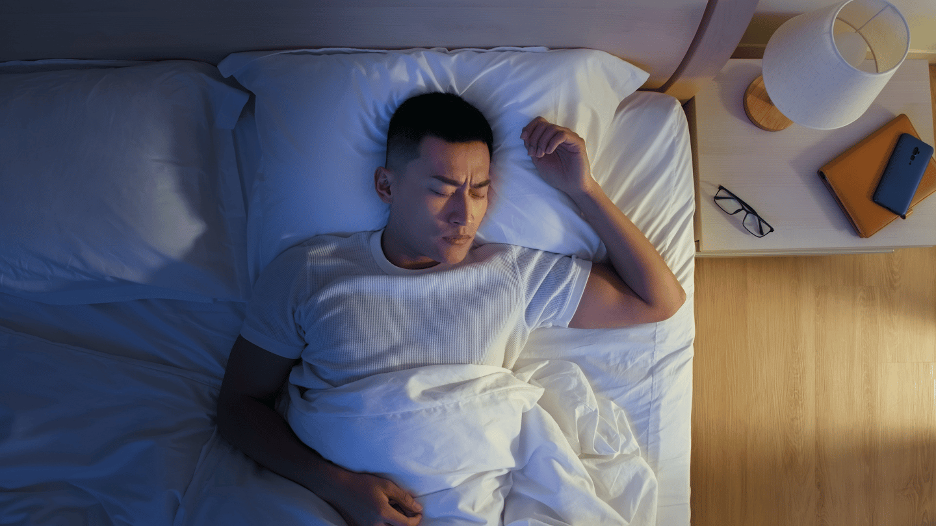
Waking up drenched in sweat, with your sheets soaked and your pajamas sticking to your skin. You reach over to adjust the thermostat, but your bedroom is already cool. How can you be sweating in a cold room? It's worth understanding what's going on.
Night sweats are surprisingly common. About 41% of primary care patients report experiencing night sweats, with the highest rates in people aged 41-55.
Even though they’re widespread, night sweats are a nonspecific symptom that patients commonly experience but rarely discuss with their physicians without prompting.
Most causes aren't serious, but some are worth investigating. Once you understand what's behind your night sweats, you can often address them and get better sleep.
What Causes Sweating While Sleeping?
So why are you sweating while sleeping? There are several reasons you might wake up drenched, ranging from lifestyle factors to underlying health conditions.
Understanding these causes is the first step toward staying dry at night.
- Menopause and hormonal changes: This is one of the most common causes. During menopause, major hormonal changes to estrogen and progesterone affect most women. These hot flashes often persist into the night, leading to drenching sweats. Men can also experience night sweats related to hormonal changes.
- Hyperthyroidism (overactive thyroid): An overactive thyroid speeds up your metabolism, causing your body to generate excess heat. Since your thyroid controls temperature regulation, too much thyroid hormone can leave you sweating, especially at night.
- Infections: Both common and serious infections can trigger night sweats. Bacterial infections, like endocarditis (inflammation of the heart valves) and osteomyelitis (inflammation of the bones), may cause night sweats. The flu, colds, and COVID-19 can also cause temporary night sweats as your body fights off the virus.
- Anxiety and stress: Your stress response doesn't stop at night. Stress, panic, and anxiety can elevate your heart rate and cause you to become overheated and sweaty both day and night. If you notice sweating tied to periods of high stress or anxiety, managing your stress may help.
- Diabetes: Blood sugar fluctuations, especially nocturnal hypoglycemia (low blood sugar during sleep), can trigger sweating.
- Medications: Certain medications can increase sweating. Medications that can cause night sweats include antidepressants, some blood pressure meds, hormone therapies, and fever-reducing medications.
- Sleep apnea: This breathing disorder interrupts your sleep and can trigger sweating. Research shows that over 30% of people with obstructive sleep apnea experience night sweats. If you snore heavily, wake gasping for air, or feel exhausted during the day, sleep apnea might be worth investigating.
- Acid reflux (GERD): Gastroesophageal reflux disease can cause night sweats, particularly when lying down. The combination of reflux symptoms and the body's stress response can trigger sweating during sleep.
- Other hormone disorders: Beyond menopause, conditions like primary ovarian insufficiency (POI) and premenstrual dysphoric disorder (PMDD) can cause night sweats related to hormone fluctuations.
- Environmental factors: Sometimes it's simpler. A bedroom that's too warm, heavy blankets, or wearing synthetic pajamas that don't breathe can all contribute to sweating during sleep. These aren't true night sweats, which are tied to a medical cause, but they're worth ruling out first.
When to See a Doctor for Night Sweats
Schedule an appointment with your doctor if you're experiencing regular night sweats that are affecting your sleep and daily life.
You should seek professional evaluation if:
- You wake up drenched in sweat multiple times per night
- Night sweats have started recently and are persistent
- You experience night sweats alongside fever, weight loss, or fatigue
- You have night sweats along with other unexplained symptoms
- Your night sweats started after beginning a new medication
- Your sweating is severe enough to soak through your clothes and bedding regularly
- You've tried lifestyle adjustments without improvement
Your Summit Health doctor can help identify what's actually going on. Sometimes it's straightforward, adjusting medication timing or treating an underlying condition like hyperthyroidism.
Other times, it may require more investigation. For conditions related to sleep disorders or hormonal imbalances, your primary care doctor may refer you to a specialist. A simple blood test can often rule out thyroid issues, infections, or hormonal imbalances.
What You Can Try at Home
Try these adjustments that can reduce nighttime sweating:
- Cool your bedroom: Keep your bedroom temperature between 60-67°F. A cooler environment makes a big difference. Use a fan to circulate air.
- Choose breathable sleepwear and bedding: Wear lightweight, loose-fitting pajamas made from natural fabrics like cotton or moisture-wicking materials. Skip the synthetic fabrics that trap heat. Use cotton sheets instead of heavy flannel.
- Limit evening triggers: Avoid alcohol, spicy foods, and caffeine in the hours before bed. Hot meals and drinks can elevate body temperature. Heavy exercise close to bedtime can also trigger sweating.
- Manage stress: Practice relaxation techniques like deep breathing, meditation, or yoga. Stress and anxiety directly trigger sweating, so managing these during the day can help reduce nighttime episodes.
- Stay hydrated during the day: Dehydration can cause your body to overheat at night. Drink plenty of water throughout the day, but taper off a couple of hours before bed.
- Use moisture-wicking sheets: Special cooling pillows or gel-filled pillows can help keep the sleep surface cooler.
- Check your medication timing: If you think a medication is causing your night sweats, ask your doctor if you can take it at a different time of day.
Get Better Sleep: When to Reach Out to Summit Health
Night sweats don't have to be your new normal. Most causes are manageable once you identify them. Whether your night sweats are due to menopause, a thyroid issue, medication side effects, or something else entirely, addressing the root cause can help you get back to restful nights.
If sweating while sleeping is disrupting your rest and affecting your quality of life, don't hesitate to talk to your doctor.
At Summit Health, our providers can perform a thorough evaluation and, if needed, refer you to a specialist for conditions like thyroid disorders, sleep apnea, or hormonal imbalances.
Contact your nearest Summit Health practice to get started and take the first step toward better sleep.