
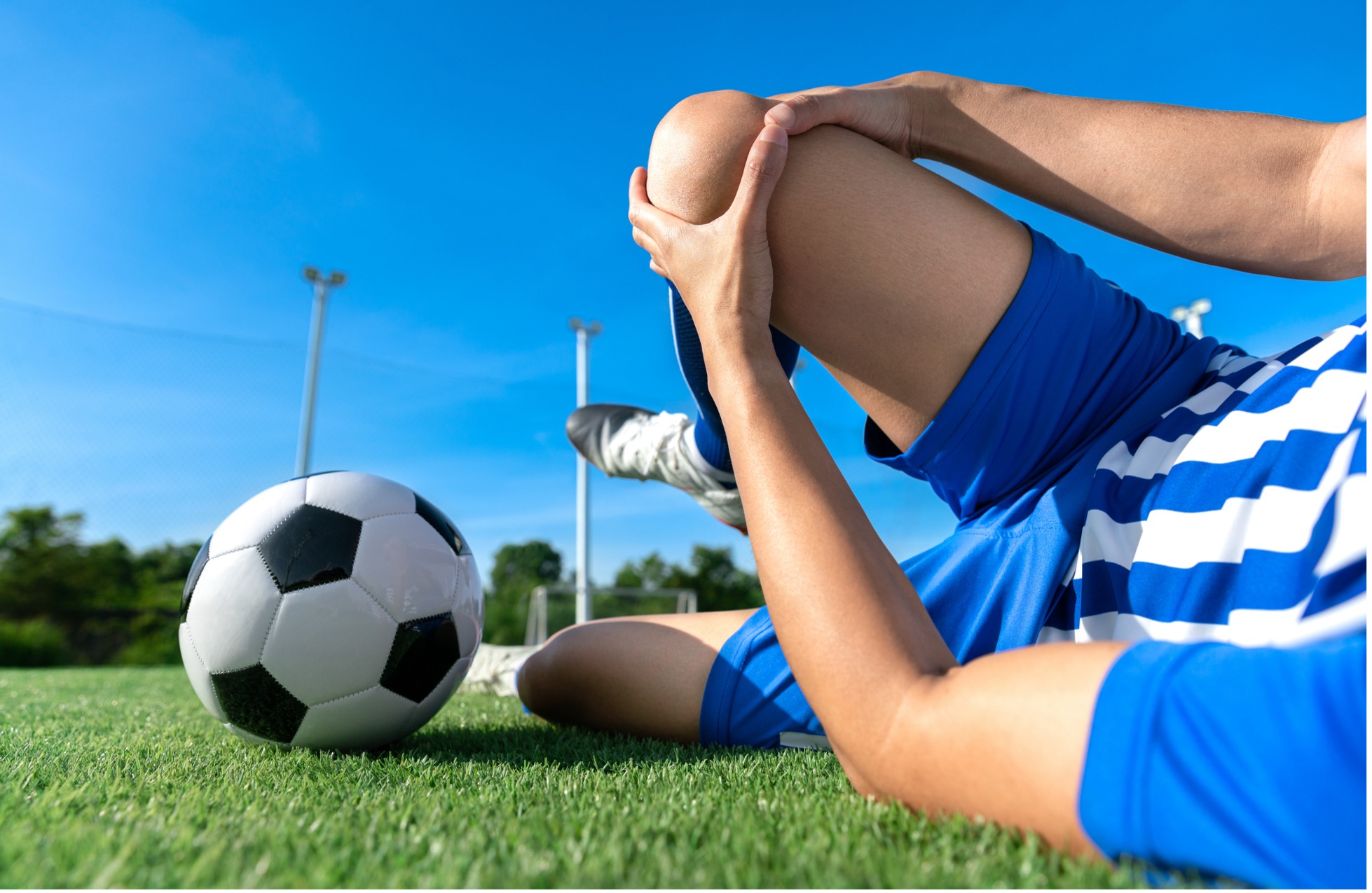
Is your child or teen active in sports and suddenly develops knee pain just below the kneecap? Osgood-Schlatter disease is a common, temporary cause of this pain in growing adolescents, especially those active in running and jumping sports. While it sounds serious, this overuse injury is part of normal growth and usually resolves with time.
What Is Osgood-Schlatter Disease?
Osgood-Schlatter disease isn’t truly a disease, but an irritation and inflammation at the point where the kneecap tendon attaches to the shinbone (tibial tubercle). It usually appears during a growth spurt, when bones grow quickly but muscle and tendon stretch more slowly. Repetitive activity pulls on the bone, leading to pain and swelling.
Who’s at Risk?
Osgood-Schlatter disease affects about 9.8% of adolescents aged 12 to 15—11.4% of boys and 8.3% of girls—making it a relatively common cause of knee pain in this age group.
Children between 10 and 14 who play sports like soccer, basketball, or gymnastics are most at risk, especially during periods of rapid growth. Boys are affected slightly more often, but girls can get it too.
Common Symptoms
- Pain, swelling and tenderness just below the kneecap (often worsens with activity)
- A visible or tender bump at the top of the shinbone
- Tightness in the thigh muscles
Symptoms often come and go and usually affect just one knee.
How is Osgood-Schlatter Disease Diagnosed?
Diagnosing Osgood-Schlatter is usually straightforward and doesn’t require extensive testing.
- Physical Examination: A doctor will talk to you and your child about their symptoms and activity level. They will then examine the knee, checking for swelling, tenderness and pain over the tibial tubercle.
- X-rays: While not always necessary, an X-ray can be helpful. It can rule out other potential causes of knee pain, such as a fracture or bone tumor.
In most cases, a diagnosis is made based on the physical exam and the child's classic symptoms and age.
Treatment
Most cases improve with basic self-care:
- Activity modification: Reduce or avoid painful sports or motions until symptoms ease. Low-impact activities like swimming are good alternatives.
- R.I.C.E.: Rest, ice the area, use a compression wrap or patellar strap and elevate the leg to reduce swelling.
- Stretching: Gently stretch and strengthen thigh muscles.
- Medication: Over-the-counter NSAIDs (like ibuprofen) help with pain and swelling.
- Physical therapy: Sometimes recommended for persistent or severe cases.
Kids can usually return to sports once pain improves. Osgood-Schlatter disease rarely causes long-term issues and almost always resolves once the child’s bones finish growing.
When to See a Doctor
You should contact a doctor if your child's knee pain:
- Is severe or does not improve with rest and ice.
- Is accompanied by significant swelling, redness, or fever.
- Causes a limp or prevents them from participating in normal daily activities.
- Occurs at night or while at rest.
It's always best to get an accurate diagnosis to rule out other conditions and ensure your child gets the right care plan to manage their symptoms effectively.
If your child is struggling with knee pain that’s affecting their ability to play and be active, don't wait for it to get worse.
Our sports medicine specialists provide comprehensive evaluations, including physical examinations and imaging studies when necessary. We also offer treatment plans tailored to getting athletes back to their sport safely.
Contact your nearest Summit Health practice to get started.