
Colorectal Surgery
Expert care for the colon, rectum, and anus—delivered with compassion and advanced surgical technique.

Overview
Colorectal surgery at Summit Health treats a wide range of illnesses and injuries affecting the colon, rectum, and anus. Our highly qualified surgeons bring deep expertise in open, laparoscopic, and colonoscopic surgery, so you receive care tailored to your condition and your goals for recovery.
Whenever possible, we use minimally invasive colorectal surgery to reduce pain, shorten your hospital stay, and help you return to daily life sooner. When a more involved procedure is the safest choice, you can trust our team to guide you through it with clear information and steady support.
We treat many common colorectal conditions, including:
- Anal fissures
- Bowel incontinence
- Colorectal cancer
- Crohn's disease
- Diverticulitis
- Hemorrhoids
- Pelvic floor disorder
- Rectal prolapse
Good news for screening: you can now schedule a screening colonoscopy without a pre-procedure visit. It's one less appointment—and one more reason to stay on top of your colorectal health.
Conditions and procedures
Most colorectal surgery works to repair the bowel, remove blockages, or tighten the sphincter muscles. The right approach depends on the severity of your condition, your medical history, your overall health, your diagnostic results, and your lifestyle. Our surgeons weigh each of these factors carefully to recommend the option that fits you best.
Surgical procedures
- Laparoscopic or colonoscopy surgery treats many diseases of the intestinal tract, including colorectal cancer. It's often called minimally invasive colon surgery because it uses small incisions—typically up to half an inch. The surgeon inserts small tubes with a video camera and specialized tools, then performs the procedure using the camera's live view. Patients who have laparoscopic procedures often experience fewer complications, a shorter hospital stay, less pain and scarring, and a faster return to normal activities than those who have open surgery. It's a great option for many people, though it isn't right for everyone.
- Strictureplasty widens the intestine rather than shortening it. It's used to treat patients with Crohn's disease.
- Ostomy surgery creates an opening from the inside to the outside of the body to remove waste. A colostomy, for example, connects a section of the large intestine to an opening (stoma) in the abdominal wall, allowing waste to pass into a disposable pouch.
- Ileostomy or colectomy surgery involves removing the colon, rectum, and anus, using the lower end of the small intestine (the ileum) for the stoma. Most colostomies and ileostomies are permanent, though some patients receive a temporary colostomy to protect an injured or diseased section of the large intestine while it heals.
- Ileoanal anastomosis creates an artificial rectum, offering an alternative to a permanent ostomy for some patients.
Diagnostic procedures
Diagnostic procedures help our team understand the condition of your intestinal tract, including the extent and severity of disease, the presence of tumors, and any perforations in the bowel wall.
- Colonoscopy allows the surgeon to examine your entire intestinal tract. Patients typically receive a sedative for comfort during the procedure. A colonoscopy is also a key screening tool for detecting colorectal cancer early.
- Flexible sigmoidoscopy uses a flexible tube with a miniature camera, inserted through the rectum, to examine the lining of the rectum and the lower third of the intestinal tract (the sigmoid colon). It can also remove polyps and diseased tissue.
- Lower gastrointestinal (GI) series uses X-rays of the colon and rectum to identify ulcers, cysts, polyps, pouches in the intestine (diverticula), and cancer.
- Magnetic resonance imaging (MRI) helps surgeons pinpoint the section of the colon that must be removed to eliminate diseased tissue, both before and during colon surgery. MRI can also help determine which patients will benefit most from chemotherapy and radiation.
Accreditations
U.S. News & World Report 2026 Best Ambulatory Surgery Centers
Summit Health’s Ambulatory Surgery Center (ASC) in Berkeley Heights, NJ was named among NJ’s 40 best ASC’s for Colonoscopy and Endoscopy procedures.
Our specialists

Farshad Abir, MD
Colorectal Surgery
C. Randall Cooper, MD, FACS, FASCRS
General Surgery, Colorectal Surgery, Surgical Oncology, Cancer Services
Kevin Holzman, MD, FACS
General Surgery, Colorectal Surgery, Surgical Oncology, Cancer Services
David Hong, DO
Colorectal Surgery
James Mark Kiely, MD, FACS, FASCRS
Colorectal Surgery
Evan K. Krakovitz, MD
Colorectal SurgeryLocations
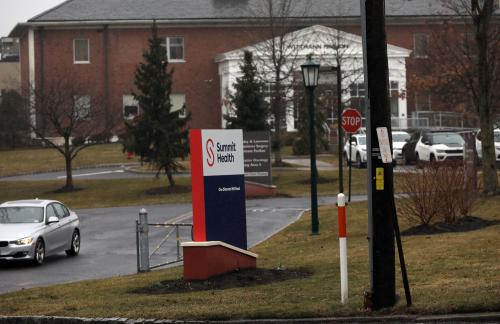
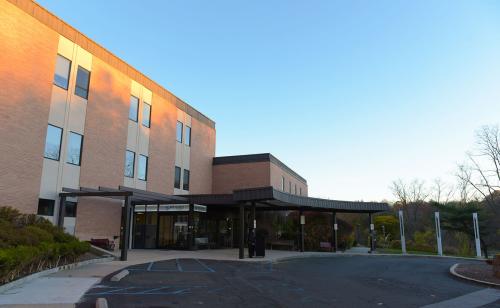
Colonoscopy remains proven gold standard: do not delay your screening
If you — or a loved one — are about to schedule or go in for an appointment, rest assured you are doing what is best for your health. Colonoscopy continues to be the best way to detect and prevent colorectal cancer.

Patient resources
Frequently Asked Questions
Colorectal surgery diagnoses and treats conditions of the colon, rectum, and anus—ranging from hemorrhoids and anal fissures to Crohn's disease, diverticulitis, and colorectal cancer. Depending on your needs, treatment may involve minimally invasive techniques, open surgery, or diagnostic procedures like a colonoscopy.
Minimally invasive colorectal surgery uses small incisions and a tiny video camera to guide the procedure. Compared with open surgery, it often means fewer complications, less pain and scarring, a shorter hospital stay, and a quicker recovery. Your surgeon will let you know if you're a good candidate.
Your surgeon considers the severity of your condition, your medical history, your current health, your level of pain, your diagnostic results, and your lifestyle. Together, these factors guide a recommendation designed to give you the safest, most effective care.