
Dermatology
Our dermatology services support your skin health at every stage of life, from routine skin checks to advanced skin cancer treatment and cosmetic dermatology.
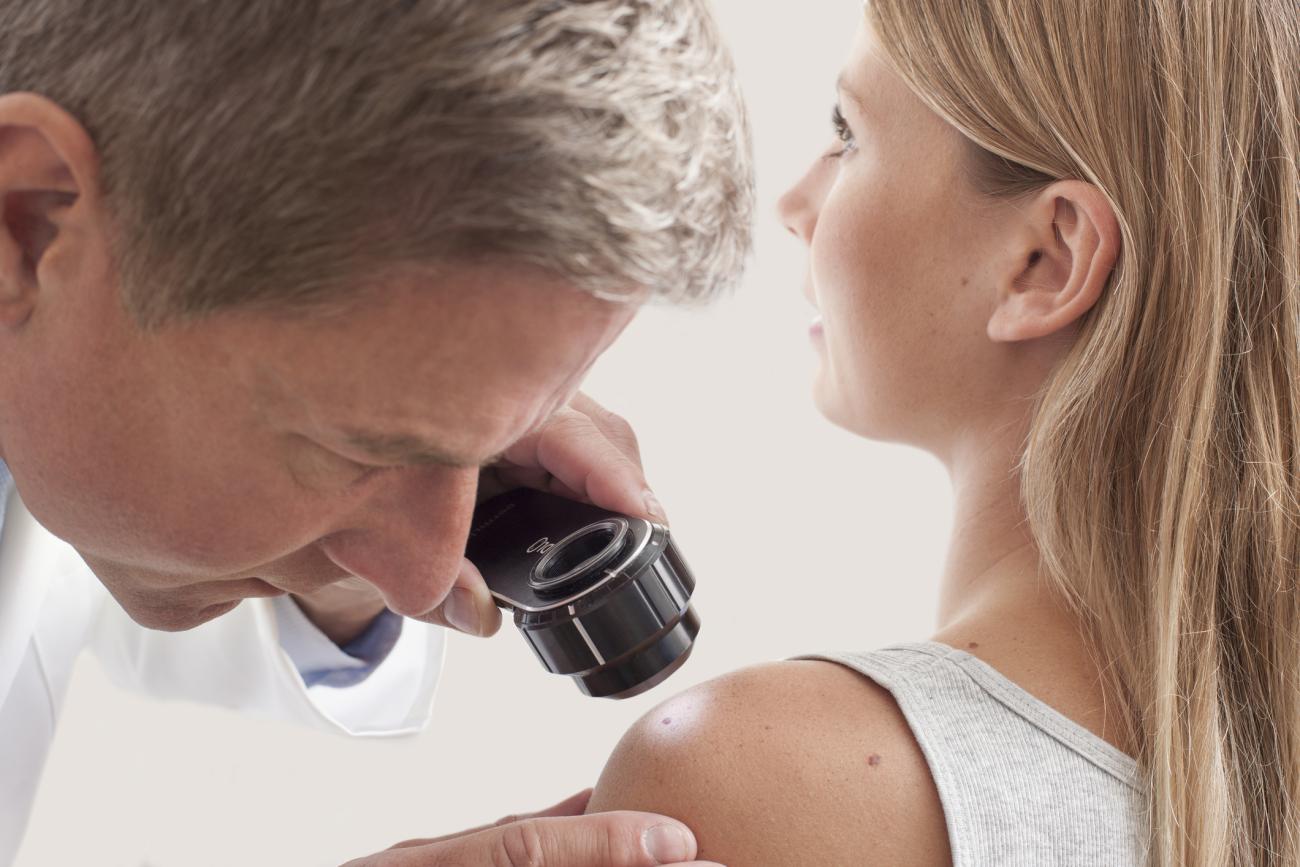
Overview
Your skin is your body's largest organ. It shields you from the outside world, helps regulate your temperature, and often signals what is happening inside your body. At Summit Health, our dermatology services support your skin health at every stage of life, from routine skin checks to advanced skin cancer treatment and cosmetic dermatology.
Our board-certified dermatologists treat a wide range of conditions affecting the skin, hair, nails, and sweat glands. We take the time to listen, find the root cause of your concerns, and build a care plan that fits your needs and goals.
Skin care that goes beyond the surface
Healthy skin is closely linked to your overall health. A persistent rash, a changing mole, or sudden hair loss can affect how you feel physically and emotionally. That's why we look past the symptoms to understand what's really going on.
Our dermatology team works closely with your primary care physician and other Summit Health specialists. This connected approach helps your care stay coordinated, convenient, and focused on you.
Comprehensive dermatology services under one roof
We offer three core areas of care:
- Medical dermatology: Diagnosis and treatment of chronic and acute conditions such as acne, eczema, psoriasis, rosacea, and hair loss.
- Skin cancer screening and treatment: Full-body skin exams, early detection, and advanced treatment options, including Mohs micrographic surgery.
- Cosmetic dermatology: Treatments that refresh your appearance, smooth fine lines, and address sun damage, scarring, and signs of aging.
Whether you need a yearly skin check or ongoing support for a chronic condition, we're here to help you feel confident and comfortable in your skin.
What to expect at your visit
Your first appointment starts with a conversation. Your dermatologist will review your health history, ask about your symptoms, and examine the areas of concern. If needed, we may recommend testing, such as a skin biopsy, to confirm a diagnosis.
From there, we'll walk you through your treatment options and answer your questions. Your plan may include prescription medications, in-office procedures, lifestyle guidance, or a combination of approaches. We'll also schedule follow-up visits to track your progress and adjust care as needed.
Conditions and procedures
Skin conditions can be uncomfortable, frustrating, and hard to manage on your own. Our specialists diagnose and treat a broad range of concerns, including:
- Acne and acne scarring: Personalized treatment for breakouts, from mild to severe, plus options to reduce lasting scars.
- Eczema and dermatitis: Relief for itchy, inflamed, or irritated skin in children and adults.
- Psoriasis: Topical, oral, light-based, and biologic therapies to help manage flare-ups.
- Rosacea: Care to calm redness, visible blood vessels, and bumps on the face.
- Hair loss and scalp conditions: Evaluation and treatment for alopecia, thinning hair, and scalp irritation.
- Vitiligo and pigmentation disorders: Treatments to address uneven skin tone and loss of pigment.
- Skin infections and rashes: Fast diagnosis and treatment for bacterial, fungal, and viral skin infections.
- Warts and molluscum: In-office removal and treatment options.
- Moles, skin tags, and liver spots: Evaluation and safe removal when appropriate.
Every treatment plan is tailored to you. Our goal is to ease your symptoms, restore your skin's health, and improve your quality of life.
Skin cancer screening and prevention
Skin cancer is one of the most common forms of cancer, but it is also highly treatable when caught early. Regular skin exams are among the best ways to protect yourself from melanoma, basal cell carcinoma, and squamous cell carcinoma.
We recommend a full-body skin exam every three years for adults ages 20 to 40 and once a year for adults 40 and older. During your visit, your dermatologist will check your skin from head to toe and show you how to monitor it at home.
Watch for these warning signs between visits:
- Changes in the size, shape, or color of an existing mole
- New or unusual growths
- Sores that bleed or don't heal
- Spots that itch, crust, or look different from others
Daily sun protection and routine screenings remain your strongest defenses against skin cancer.
How to lower your skin cancer risk
Skin cancer treatment
If you receive a skin cancer diagnosis, we're here to guide you through every step. Treatment depends on the type, size, and location of the cancer. Options may include surgical excision, topical therapies, and other in-office procedures. Your dermatologist will explain each option clearly so you can make informed decisions about your care.
Mohs micrographic surgery
Summit Health offers Mohs micrographic surgery, widely regarded as one of the most effective techniques for treating basal cell and squamous cell carcinomas. It is especially helpful for cancers on the face, ears, scalp, hands, and other areas where preserving healthy tissue matters most.
During Mohs surgery, our specially trained surgeons remove cancerous tissue one thin layer at a time. Each layer is examined under a microscope during the procedure, not afterward. This precise process helps remove cancer cells while sparing as much healthy skin as possible, which can lead to smaller scars and faster healing.
Cosmetic dermatology procedures
Feeling good in your skin matters. Our cosmetic dermatology services help refresh your appearance and address the visible effects of aging, sun exposure, and scarring. Popular treatments include:
- Botox and other botulinum toxins to soften wrinkles and fine lines
- Dermal fillers to restore lost facial volume
- Laser skin resurfacing for acne scars, wrinkles, and uneven pigmentation
- Laser hair removal for smoother, longer-lasting results
- Laser treatment for facial blood vessels to reduce redness and visible veins
- Latisse to support fuller, longer eyelashes
- Scar and stretch mark treatment to improve skin texture
- Sun spot and tattoo removal for a clearer, more even complexion
Your cosmetic consultation begins with a conversation about your goals. Our experts will recommend safe, effective options and explain what results you can realistically expect.
Our specialists


Locations



Sun safety: the damaging effects of ultraviolet rays
Most skin cancers result from exposure to ultraviolet (UV) rays in sunlight. UV rays are an invisible form of radiation from the sun and man-made sources like tanning beds. Two types of UV rays — UVA and UVB — are of particular concern regarding skin health.

Patient resources
Frequently Asked Questions
We recommend a full-body skin exam every three years for adults ages 20 to 40 and every year for adults 40 and older. If you have a family history of skin cancer, a history of significant sun exposure, or notice a sudden change in a mole, schedule an appointment right away.
Medical dermatology focuses on diagnosing and treating conditions that affect the skin, hair, and nails, such as eczema, psoriasis, and skin cancer. Cosmetic dermatology focuses on elective treatments that enhance your appearance, such as Botox, dermal fillers, and laser procedures. Many patients benefit from both.
Mohs micrographic surgery is performed under local anesthesia, so the treatment area is numb throughout the procedure. Most patients feel little to no pain during surgery. You may have mild soreness during recovery, which over-the-counter pain relievers can usually manage.
It depends on your health insurance plan. Many HMO plans require a referral from your primary care physician, while PPO plans often let you book directly with a specialist. We recommend checking with your insurance provider before scheduling your visit.