
Neurology
At Summit Health, our adult and pediatric neurologists care for a wide range of conditions affecting the brain, spinal cord, nerves, and muscles.
Overview
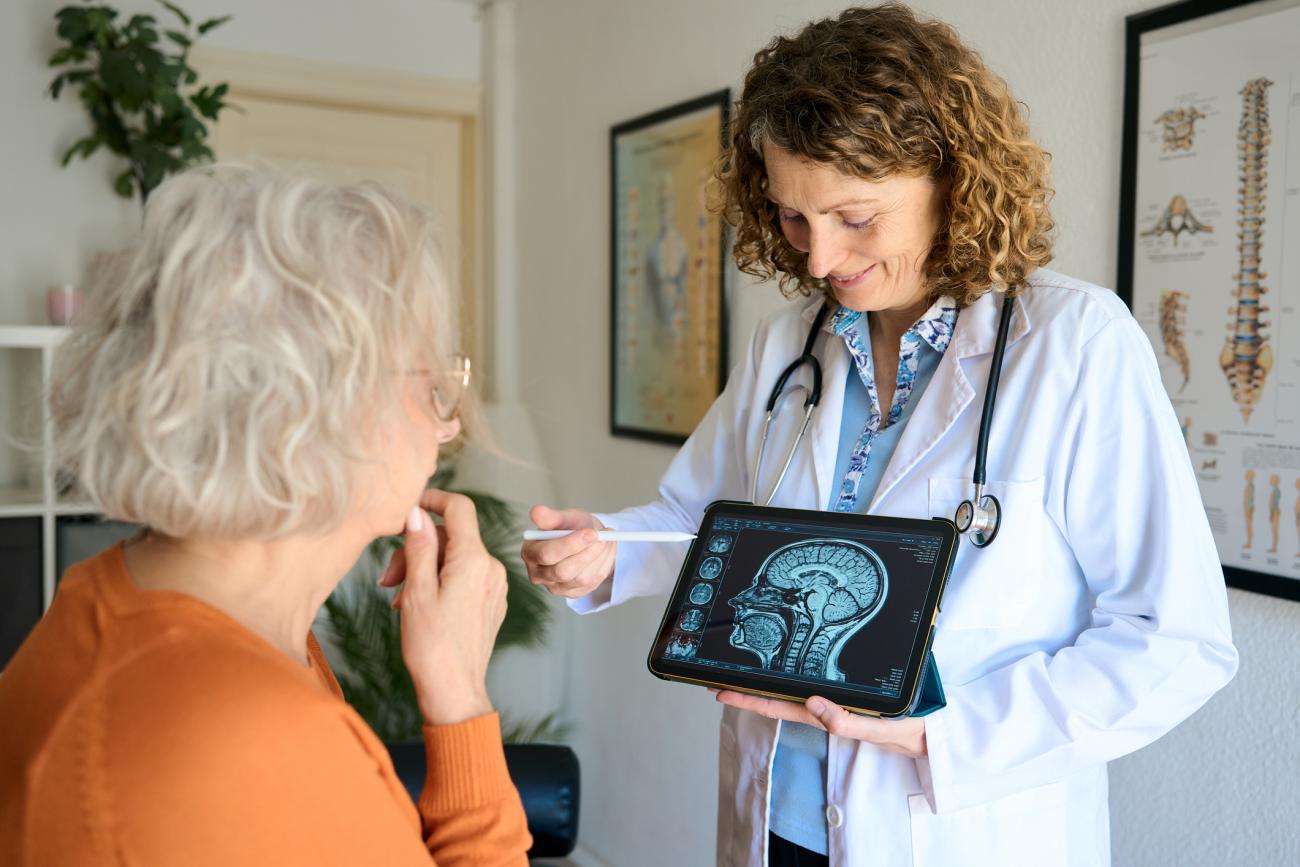
Neurology is the branch of medicine focused on disorders of the brain and nervous system. At Summit Health, our adult and pediatric neurologists care for a wide range of conditions affecting the brain, spinal cord, nerves, and muscles. Whether you are managing a chronic condition or seeking answers to new symptoms, our team is here to guide you with clear information and compassionate support.
Our neurologists bring extensive training and clinical experience, including teaching roles at some of the nation's top academic centers. That expertise, paired with a patient-centered approach, means you receive care that is both highly skilled and deeply personal.
Summit Health neurology is supported by state-of-the-art imaging, including magnetic resonance imaging (MRI), computed tomography (CT), and carotid ultrasound. We also provide comprehensive electrodiagnostic testing, such as nerve conduction studies (NCS), electromyography (EMG), evoked potentials (EP), and electroencephalography (EEG). These tools help us pinpoint the cause of your symptoms so we can create a treatment plan tailored to you.
Because neurological conditions often touch many areas of health, our neurologists work closely with specialists across Summit Health. This multidisciplinary approach helps ensure your care is coordinated, thorough, and centered around your needs at every step.
Conditions and procedures
Our neurologists diagnose and treat a broad spectrum of neurological disorders. Common conditions we care for include:
- Stroke and TIA – A stroke, sometimes called a cerebrovascular accident (CVA), is a brain injury caused by insufficient blood flow or bleeding, leading to a sudden change in function. A transient ischemic attack (TIA) is a short-lasting event that does not cause permanent injury but often signals the need for prompt care.
- Epilepsy and seizures – A seizure is a sudden change in behavior caused by an electrical disturbance in the brain. Epilepsy, marked by recurring seizures, is often managed successfully with medication.
- Headaches and migraine – Among the most common medical complaints, recurring headaches include tension-type headaches and migraine. We help you find relief and reduce how often they interrupt your life.
- Concussion – A group of symptoms that can appear immediately and sometimes linger after a head injury. These may include changes in consciousness, headache, dizziness, or difficulty concentrating.
- Dementia and Alzheimer's disease – Dementia is a decline in cognitive function severe enough to affect daily life. Alzheimer's disease is the most common degenerative form of dementia affecting older adults.
- Multiple sclerosis – An immune-mediated inflammatory disorder of the central nervous system that can produce a wide variety of symptoms over time.
- Parkinson's disease – A progressive movement disorder that commonly causes tremor, slowed movement, stiffness, and changes in walking.
- Peripheral neuropathy – Damage to the peripheral nerves, including nerve and nerve root impingement, as well as inherited or acquired neuropathy. Symptoms often include numbness, tingling, pain, and weakness.
To diagnose and treat these conditions, our neurologists offer specialized procedures and expertise, including:
- Electroencephalography (EEG)
- Electromyography (EMG)
- Nerve conduction velocity (NCV) studies
- Botox injections
- Cognitive testing
- Skin biopsy for nerve disorders
Our specialists


Avery Katz, MD
Neurology, Neurosciences
Matthew McCarthy, MD


Locations


Patient resources
Frequently Asked Questions
A neurologist diagnoses and treats disorders of the brain and nervous system, including the spinal cord, nerves, and muscles. Common conditions include stroke, epilepsy, migraine, Parkinson's disease, multiple sclerosis, dementia, and peripheral neuropathy.
Consider seeing a neurologist if you experience symptoms such as frequent or severe headaches, dizziness, numbness or tingling, memory changes, seizures, tremors, or trouble with balance or coordination. Your primary care provider may also refer you when a neurological condition is suspected.
Your neurologist will review your medical history and current symptoms, then perform a physical and neurological exam. Depending on your needs, they may recommend imaging, such as MRI or CT, or electrodiagnostic testing, such as EEG or EMG, to help reach an accurate diagnosis and build your care plan.
Yes. Summit Health has pediatric neurologists who care for infants, children, and teens with a range of neurological conditions, offering age-appropriate diagnosis and treatment in a supportive setting.