
Pediatric Orthopedic Surgery
At Summit Health, our specialized pediatric orthopedists provide care for infants, children, and teens with bone, joint, and musculoskeletal conditions.
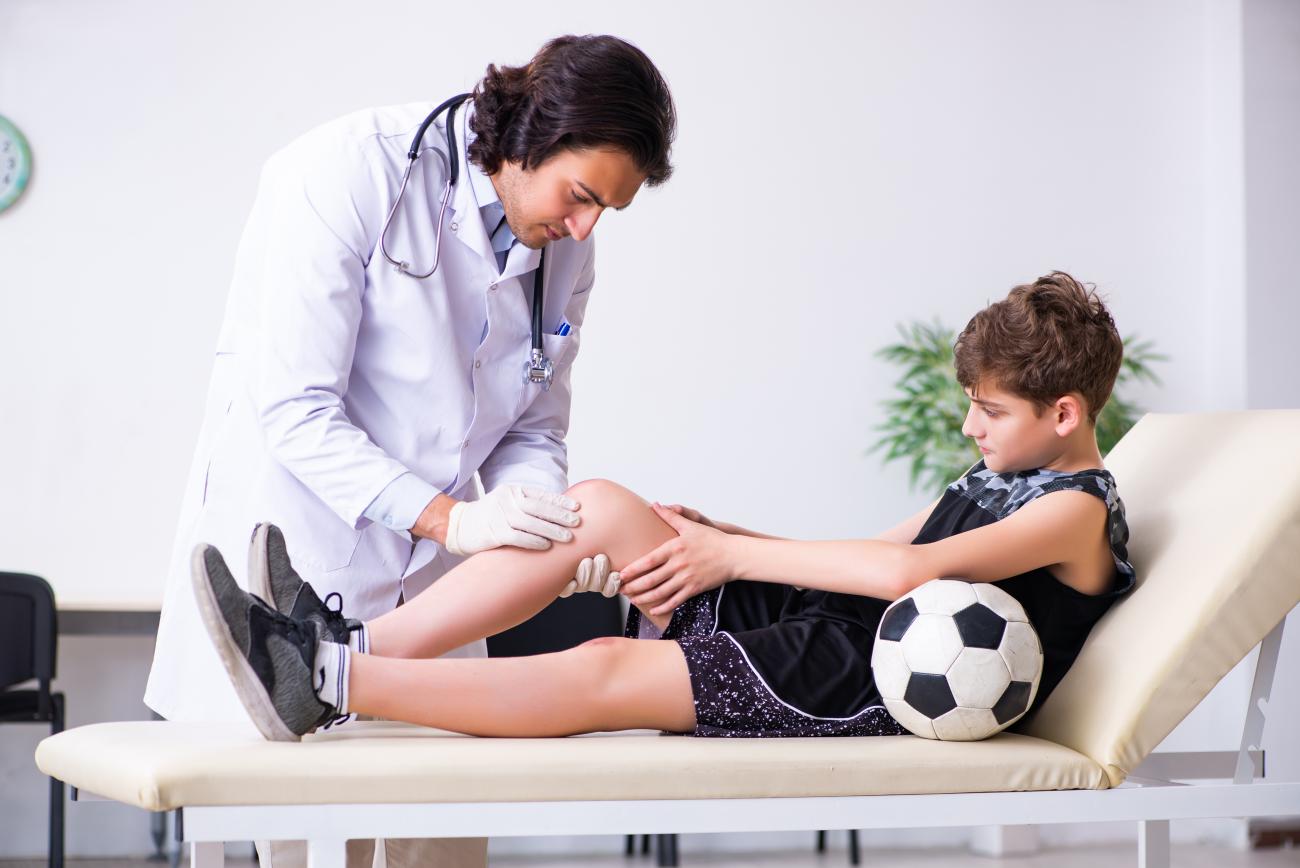
Overview
Expert orthopedic care designed for growing bodies
Children aren't simply small adults. Their bones are still growing, their joints are still developing, and their bodies heal differently than yours does. That's why an injury or condition affecting a child's bones, joints, muscles, tendons, ligaments, or cartilage deserves care from a specialist who understands how young bodies grow and change. Pediatric orthopedics is a specialty focused on the unique needs of infants, children, and teens. A pediatric orthopedist has advanced training to diagnose and treat pediatric musculoskeletal conditions, whether they're present at birth, develop over time, or result from an injury. This includes special attention to growth plates, the areas of developing tissue near the ends of long bones that determine how a child's bones will grow.
Why children need specialized orthopedic care
Treating a child's musculoskeletal problem often means looking ahead. A pediatric orthopedist considers how a condition and its treatment may affect your child's growth, movement, and activity for years to come. When surgery is needed, pediatric orthopedic surgery is planned with your child's developing body in mind.
Just as important, our specialists know how to make young patients feel comfortable. We take time to explain things in ways children can understand, and we answer your questions with patience and care. We know that when your child is hurting, you're worried too, so we support the whole family from the first visit through recovery.
Conditions and procedures
Pediatric musculoskeletal conditions we treat
Our pediatric orthopedists care for a wide range of acute, chronic, and congenital conditions. Treatment is always tailored to your child's age, stage of growth, and lifestyle. Many conditions can be managed with nonsurgical options such as monitoring, bracing, casting, or physical therapy. When surgery is the best path forward, our team provides expert pediatric orthopedic surgery with a focus on safety, comfort, and long-term results.
Bowed legs
Bowed legs cause the knees to curve outward while the ankles touch. This is common and often normal in toddlers, and it usually corrects itself with growth. We evaluate whether the curve is part of healthy development or a sign of an underlying condition that needs treatment.
Clubfoot
Clubfoot is a condition present at birth in which one or both feet turn inward and downward. Early treatment, often beginning in the first weeks of life, can gently guide the foot into a healthy position so your child can walk and play normally.
Fractures
Children's bones are more flexible than adult bones, and they break in different ways. Fractures near growth plates need special attention to protect future bone growth. Our specialists provide expert fracture care, from casting to surgical repair when necessary.
Gait abnormalities
Gait abnormalities are unusual walking patterns, such as in-toeing, out-toeing, toe walking, or limping. Many resolve as children grow. Others may point to a muscle, bone, or nerve issue. A careful evaluation helps us determine the cause and the right care plan.
Hip dysplasia
Hip dysplasia occurs when the hip socket doesn't fully cover the ball of the thigh bone, which can make the joint unstable. It's often found in infancy. Early diagnosis and treatment can help support normal hip development and reduce the risk of problems later in life.
Knock knees
With knock knees, the knees angle inward and touch while the ankles stay apart. Like bowed legs, this is often a normal stage of development in young children. We monitor alignment over time and recommend treatment if the condition persists or worsens.
Scoliosis
Scoliosis is a sideways curve of the spine that often appears during growth spurts before puberty. Depending on the size of the curve and your child's age, treatment may include regular monitoring, bracing, or surgery to correct and stabilize the spine.
Sports injuries
Active kids can experience sprains, strains, overuse injuries, and growth plate injuries from sports and play. We help young athletes heal safely, return to the activities they love, and lower their risk of future injury.
Our specialists


Locations

Broken bone lingo explained
“Hairline” and “stress” fractures are terms you may hear after an injury, but they don’t mean the same thing. Find out how these fractures differ, what causes them, and what treatment may be needed.

Frequently Asked Questions
Consider scheduling a visit if your child has ongoing pain in a bone, joint, or muscle, a limp, trouble walking, swelling after an injury, or a visible difference in posture or limb alignment. A pediatric orthopedist can also evaluate conditions found at birth, such as clubfoot or hip dysplasia. If you're unsure, your child's pediatrician can help you decide whether a referral is right.
Both are experts in the musculoskeletal system. A pediatric orthopedist has additional training focused specifically on children. This includes treating growth plate injuries, congenital conditions, and developmental issues, and understanding how treatment may affect a growing body. Pediatric orthopedists are also skilled at putting children and their caregivers at ease.
Pediatric orthopedists care for patients from infancy through the teen years, while their bodies are still growing. Contact our office to confirm whether our pediatric orthopedic team is the right fit for your child's age and needs.
Your child's pediatric orthopedist will review their medical history, ask about symptoms, and perform a gentle physical exam. They may also recommend imaging, such as X-rays, to get a clearer picture. You'll leave with answers, a clear care plan, and time to ask any questions you have. Bringing previous records or imaging can help make the visit even more productive.
Not always. Many pediatric musculoskeletal conditions improve with nonsurgical care, such as observation, bracing, casting, or physical therapy. Pediatric orthopedic surgery is recommended only when it offers the best outcome for your child. If surgery is needed, our team will walk you through every step so you feel confident and prepared.