
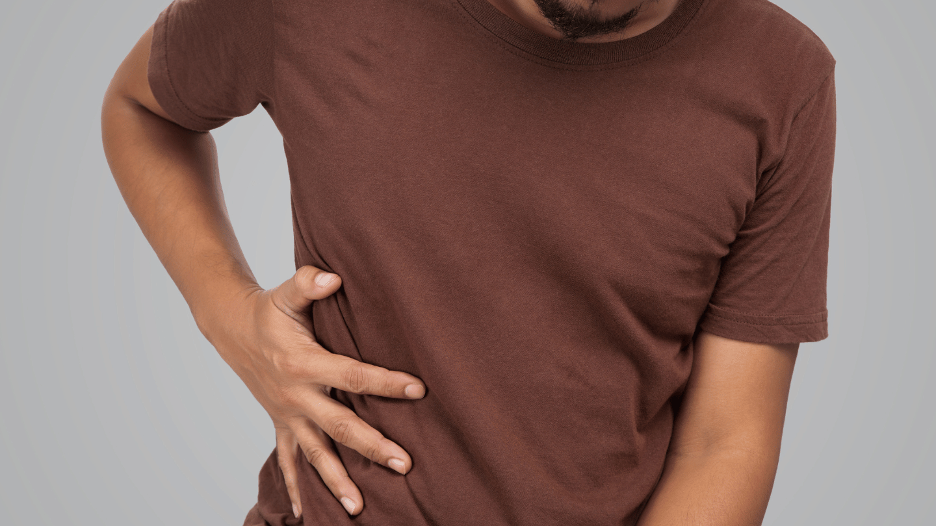
You're woken up in the middle of the night by a sudden, sharp pain in your upper right abdomen. Or maybe you just finished a big, fatty meal and now you're doubled over. Gallbladder pain can be intense, confusing, and genuinely frightening. But understanding what's happening can help you get the right treatment.
Gallbladder disease is surprisingly common. More than 20 million people in the United States have gallbladder disease. But despite how prevalent it is, many people don't know what's actually causing their pain or when they should seek help.
This article dives into what the pain actually feels like, how to tell it apart from other conditions, and your gallbladder treatment options at Summit Health.
What Does Gallbladder Pain Feel Like?
Gallbladder pain is distinct from other types of abdominal discomfort. You'll typically know something is wrong.
- Location: The pain is usually in your upper right abdomen, near your rib cage. It can spread to your back, between your shoulder blades, or even into your right shoulder. Some people also feel it in the center of their abdomen, just below the breastbone.
- Intensity: Gallbladder pain is often sharp and severe, so intense that people frequently rush to the emergency room thinking they're having a heart attack. The pain can feel like being cut with a knife or a deep, gripping sensation.
- Duration: A gallbladder attack typically lasts 20 minutes to several hours. The pain usually doesn't improve with movement, gas relief, or bowel movements. Deep breathing can actually make it worse.
- Timing: Attacks often happen after you eat a large meal, especially one high in fat. Many occur in the evening or at night. If you've had one attack, you're likely to have more.
- Associated symptoms: You may also experience nausea, vomiting, fever, or yellowing of your skin and eyes (jaundice).
What Causes Gallbladder Pain?
Several conditions can trigger gallbladder pain. Understanding the cause helps determine the right treatment.
- Gallstones (most common): Gallstones are hard deposits that form in your gallbladder. They can be as small as a grain of sand or as large as a golf ball. Most gallbladder pain is caused by gallstones blocking your bile ducts. Interestingly, about 9% of women and 6% of men have gallstones without any symptoms; they don't even realize they have them.
- Cholecystitis (gallbladder inflammation): When gallstones block the ducts, bile backs up, leading to inflammation. This creates more persistent, severe pain that can last for days.
- Choledocholithiasis (bile duct stones): Sometimes gallstones travel into your bile ducts and get stuck there. This can block bile flow, causing intense pain and yellowing of the skin and eyes.
- Gallbladder infection: When bile builds up due to blockage, it can become infected. This causes severe pain, high fever, and requires immediate treatment.
- Biliary dyskinesia: In rare cases, your gallbladder doesn't empty properly even without gallstones, causing pain similar to a gallbladder attack.
Gallbladder Attack vs. Indigestion: How to Tell the Difference
Both can cause upper abdominal discomfort, but they're very different.
- Gallbladder attack pain is sudden, sharp, and severe, often taking your breath away. It's localized to the upper right abdomen and may radiate to your back or shoulder. The pain doesn't improve with antacids, movement, or rest. Nausea and vomiting are common.
- Indigestion develops gradually after eating. It feels like burning or bloating in your upper abdomen or chest. Antacids usually help. Gas or bowel movements often provide relief. Movement and position changes may ease discomfort.
- Other conditions that mimic gallbladder pain include pancreatitis (which causes nausea, vomiting, and weight loss), ulcers (a burning stomach sensation with bloating), and appendicitis (a different location, usually in the lower right abdomen).
When in doubt, seek professional evaluation. Several serious conditions have similar symptoms to gallbladder attacks and need to be ruled out.
When Should You Seek Immediate Medical Care for Gallbladder Pain?
Contact a doctor right away if you experience:
- Sudden severe pain in your upper right abdomen
- Pain that lasts more than two to three hours
- Severe pain accompanied by fever or chills
- Yellowing of your skin or the whites of your eyes
- Persistent nausea or vomiting
- Pain in your abdomen after a fatty meal
- Multiple episodes of pain in the same location
Go to the emergency room immediately if you have:
- Unbearable pain that you can't tolerate
- Severe pain with high fever (103°F or higher)
- Signs of a heart attack (chest pain, shortness of breath, arm pain)
- Severe, persistent vomiting
Your doctor can perform an ultrasound or CT imaging to diagnose gallbladder disease and determine the best treatment plan. At Summit Health, our gastroenterologists and surgeons specialize in treating gallbladder conditions.
Learn more about Summit Health's gastroenterology services to find a specialist who can help.
What You Can Do at Home While Waiting for Your Summit Health Appointment
If you suspect gallbladder pain but you don’t think it’s an active emergency:
- Rest: Avoid eating until the pain subsides, then stick to bland, low-fat foods
- Stay hydrated: Drink water or clear fluids
- Apply heat: A heating pad on your abdomen may provide some comfort
- Avoid fatty foods: These trigger gallbladder contractions and can worsen pain
- Don't self-medicate: Avoid over-the-counter painkillers without medical guidance
These measures may help temporarily with gallbladder pain, but they won't cure the underlying problem.
Treatment Options for Gallbladder Pain
Treatment for gallbladder pain depends on the cause and severity.
- For acute gallbladder attacks: Your doctor may prescribe pain medication and anti-nausea medications to manage symptoms while the gallstone passes.
- For recurrent gallbladder attacks: If you have repeated gallbladder attacks, surgery to remove your gallbladder (cholecystectomy) is often the best solution. Laparoscopic surgery is minimally invasive, and most people recover within one to two weeks.
- Alternative treatments for gallbladder pain: In rare cases where surgery isn't an option, medications (like ursodiol) can dissolve certain types of gallstones, though it’s much less effective than gallbladder surgery.
Don't Ignore Persistent Gallbladder Pain: Get Answers Today at Summit Health
Gallbladder pain might seem like a digestive issue that will pass on its own, but it's your body's signal that something needs attention. Ignoring it can lead to serious complications like infection, inflammation, or pancreatitis.
If you're experiencing gallbladder pain or suspect you might have gallstones, don't wait. Early diagnosis and treatment prevent complications and get you back to feeling normal.
Contact your nearest Summit Health practice to schedule an appointment with a gastroenterologist or surgeon. We can determine what's causing your pain and recommend the best path forward.