
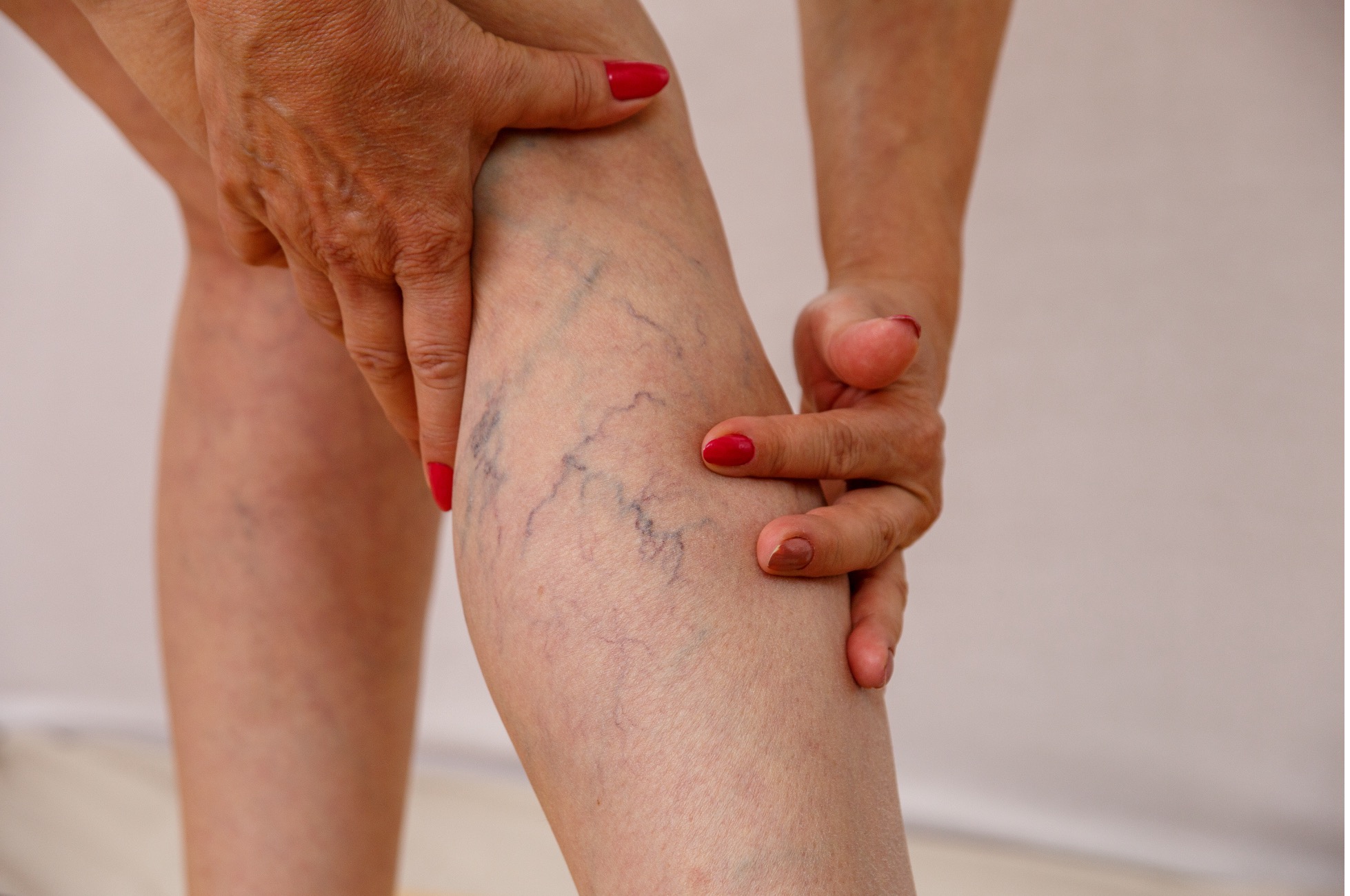
Are your leg veins becoming more visible? Are you concerned about how they look? Do you wonder if they could be causing discomfort? Summit Health’s vascular surgeons can help evaluate your symptoms, answer your questions and recommend the right care.
The most common types of visible leg veins are spider veins and varicose veins. Both appear on the legs, but they vary in appearance, symptoms and the type of care they may require. Our specialists break down what you need to know below.
What are Spider Veins?
Spider veins are small, superficial veins that appear close to the surface of the skin. They often look like thin red, blue or purple lines in a web-like or clustered pattern. When you run your hand over them, the skin is smooth. You don't feel the lumps. Spider veins are usually not dangerous, but some people may notice mild aching, burning or heaviness.
“Spider veins are extremely common and can affect people of all ages,” says Marta Sheremeta, MD, a vascular surgeon at Summit Health. “For some patients, they’re simply a cosmetic concern, but in other cases they may signal an underlying vein condition that should be evaluated.”
What are Varicose Veins?
Varicose veins are larger, swollen veins that may look ropey, twisted or raised under the skin. They most often appear in the legs and can cause symptoms such as pain, heaviness, throbbing, swelling or discomfort that worsens throughout the day.
Unlike spider veins, varicose veins can become more painful over time and may get worse if left untreated, resulting in brown discoloration and thickening of the skin, and in extreme cases venous stasis ulcers.
What Causes Spider Veins and Varicose Veins?
Both conditions can be linked to weakened vein valves or increased pressure in the veins. Common risk factors include:
- Family history of vein disease
- Female gender
- Aging
- Pregnancy or hormonal changes
- Prolonged sitting or standing
- Increased pressure in the veins
- Being overweight
- A history of blood clots or vein problems
“Many patients are surprised to learn that spider veins can sometimes be connected to deeper circulation issues,” says Shane Ashmeade, MD, a vascular surgeon at Summit Health. “That’s why a proper evaluation is important before deciding on treatment.”
Can Lifestyle Changes Help?
Healthy habits can support circulation and may help reduce symptoms, but they cannot make varicose veins go away.
Staying active is important. Reducing activity will not improve varicose veins and may lead to other concerns, such as weight gain, which can place more pressure on the veins and make symptoms worse.
Helpful habits may include:
- Wearing compression stockings if recommended
- Walking or exercising regularly
- Avoiding long periods of sitting or standing
- Elevating your legs when possible
- Maintaining a healthy weight
Compression stockings may help reduce swelling, heaviness and discomfort, but they do not remove varicose veins. There is also no medication or pharmaceutical treatment that can shrink or eliminate varicose veins. Varicose veins are a progressive disorder—they stretch and get bigger with time.
How Are Spider Veins Treated?
Spider vein treatment is typically considered cosmetic and may not be covered by insurance. One common treatment is sclerotherapy, which uses a very small needle to inject a solution into the affected veins. This helps close the treated veins, so they gradually fade over time.
Treatment may target one area or several areas, depending on where the spider veins are most noticeable or bothersome.
How Are Varicose Veins Treated?
Varicose veins are often treated when they cause pain, swelling or other symptoms. Since treatment is medically necessary, it is often covered by insurance depending on the patient’s symptoms and plan.
Treatment options may include laser or radiofrequency ablation, a minimally invasive procedure that uses heat to close problem veins so blood can reroute through healthier veins. Some patients may also be treated with other vein procedures or surgery, depending on their condition.
Your vascular surgeon will recommend the best option based on your symptoms, ultrasound findings and overall health.
When Should You See a Doctor?
You should consider seeing a vascular specialist if you have:
- Leg pain, swelling or heaviness
- Bulging, ropey or painful veins
- Burning, throbbing or aching in the legs
- Skin changes around the veins
- Spider veins that are worsening or causing symptoms
- Veins that interfere with daily activities
“If you’re experiencing pain, swelling or symptoms that interfere with daily life, it’s important not to ignore them,” says Dr. Sheremeta. “Early evaluation can help identify underlying vein disease and lead to more effective treatment.”
Vein Care at Summit Health
Whether you are concerned about the appearance of spider veins or experiencing painful varicose veins, Summit Health’s vascular surgeons can help evaluate your symptoms and recommend the right treatment plan.
To book an appointment or learn more, contact Summit Health’s Interventional Radiology Schedulers at 973-404-9887.