
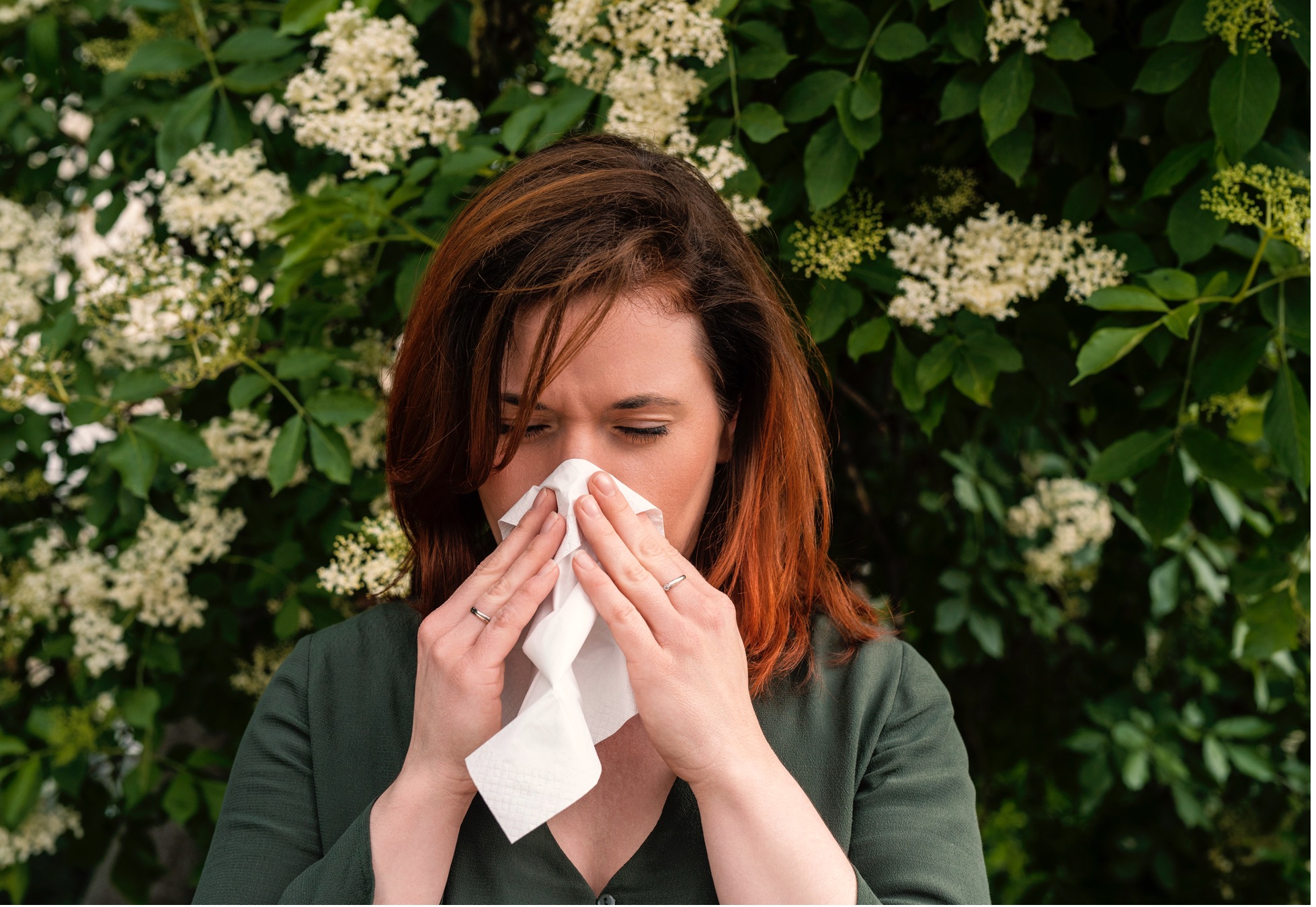
As the weather warms and flowers begin to bloom, millions of people experience the less pleasant side of spring: seasonal allergies. If you find yourself sneezing, sniffling and dealing with itchy eyes each year, you are likely reacting to pollen. Pollen allergies are one of the most common types of seasonal allergies, turning a beautiful time of year into a period of discomfort.
Understanding what causes your symptoms is the first step toward finding effective relief. This guide will explore the causes and symptoms of pollen allergies and provide practical tips for managing them.
What is a Pollen Allergy?
A pollen allergy occurs when your immune system overreacts to pollen, a fine powder produced by trees, grasses and weeds to fertilize other plants of the same species. When you inhale these tiny grains, your body mistakes them for a threat and releases chemicals, like histamine, to fight them off. This immune response is what causes the familiar, disruptive symptoms of an allergy attack.
Different types of pollen are released at different times of the year, but spring is primarily associated with tree pollen. Because pollen is lightweight and can travel for miles on the wind, you don't need to be standing next to a tree to experience a reaction.
Common Pollen Allergy Symptoms
Recognizing the signs of a pollen allergy can help you distinguish it from a common cold or other illnesses. While symptoms can vary from person to person, they typically affect the respiratory system.
Key pollen allergy symptoms include:
- Nasal congestion
- Sneezing
- Itchy, watery eyes
- Scratchy throat
- Coughing
- Allergic shiners
For individuals with asthma, exposure to pollen can also trigger asthma symptoms, such as wheezing and shortness of breath.
How to Get Spring Allergy Relief
While there is no cure for pollen allergies, there are many effective ways to manage them and reduce your symptoms. A combination of lifestyle adjustments and medical treatments often provides the best results for managing seasonal allergies.
1. Monitor Pollen Counts
Knowledge is power when it comes to allergies. Check your local weather forecast or use a reliable app to monitor daily pollen counts. On days when levels are high, try to limit your time outdoors, especially during peak hours in the morning. Keeping windows and doors closed at home and in your car can also help reduce your exposure.
2. Create a Pollen-Free Zone at Home
You can take steps to make your home a safe haven from allergens.
- Use High-Efficiency Particulate Air (HEPA) Filters
- Keep your home clean
- Change after being outdoors
3. Over-the-Counter (OTC) Medications
Many effective treatments for spring allergy relief are available without a prescription.
- Antihistamines
- Decongestants
- Nasal Corticosteroids
4. Natural and Home Remedies
Some people find relief through natural approaches. Saline nasal rinses, such as a neti pot or saline spray, can help flush pollen from your nasal passages and relieve congestion.
When to See a Doctor
If your symptoms are severe, don't improve with OTC medications, or interfere with your daily life, it may be time to consult a specialist. An allergist can perform tests to confirm what you are allergic to and recommend a more personalized treatment plan.
An allergist may suggest:
- Prescription Medications
- Allergy Shots (Immunotherapy)
Find Your Path to Allergy Relief with Summit Health
Living with pollen allergies can be challenging, but you don't have to face it alone. The dedicated team of allergy and immunology specialists at Summit Health is here to help you identify your triggers and create a comprehensive management plan tailored to your needs. From advanced diagnostics to personalized treatment options like immunotherapy, we provide the expert care you need to breathe easier.
Don't let spring allergies hold you back. Schedule an appointment with a Summit Health allergist today and take the first step toward lasting relief.